Exploration of Natural Compounds

Insights into plant-based formulations for men's general wellbeing and joint function in dynamic daily routines. An independent educational resource exploring the role of natural compounds in active lifestyles.

Educational content only. No medical services. No promises of outcomes.

Alpine meadow landscape

What is Studied About Natural Compounds

Scientific inquiry into plant-derived formulations focuses on understanding the bioactive mechanisms of phytonutrients. Researchers examine how botanical components interact with cellular processes in the human body, exploring traditional knowledge alongside contemporary biochemical analysis. These investigations span ethnobotanical applications in active populations and the biochemical pathways that support general physiological function.

Learn More


Scientific research with botanical samples

Role of Vitamins and Minerals

Colorful plant-based nutrients close-up

Micronutrient Support

Plant-based sources contain diverse micronutrients including minerals and vitamins that play roles in various physiological processes. From supporting energy metabolism to maintaining connective tissue function, these compounds contribute to the body's ability to sustain activity and maintain general wellbeing. Different botanical sources provide unique nutritional profiles suited to different dietary approaches.

Botanical Diversity

Alpine and temperate regions have produced diverse plant species rich in essential trace elements and organic compounds. Traditional uses across cultures reflect empirical observations of how these botanicals support human function. Modern research continues to document the specific bioavailability and mechanisms of action for these natural micronutrient sources.

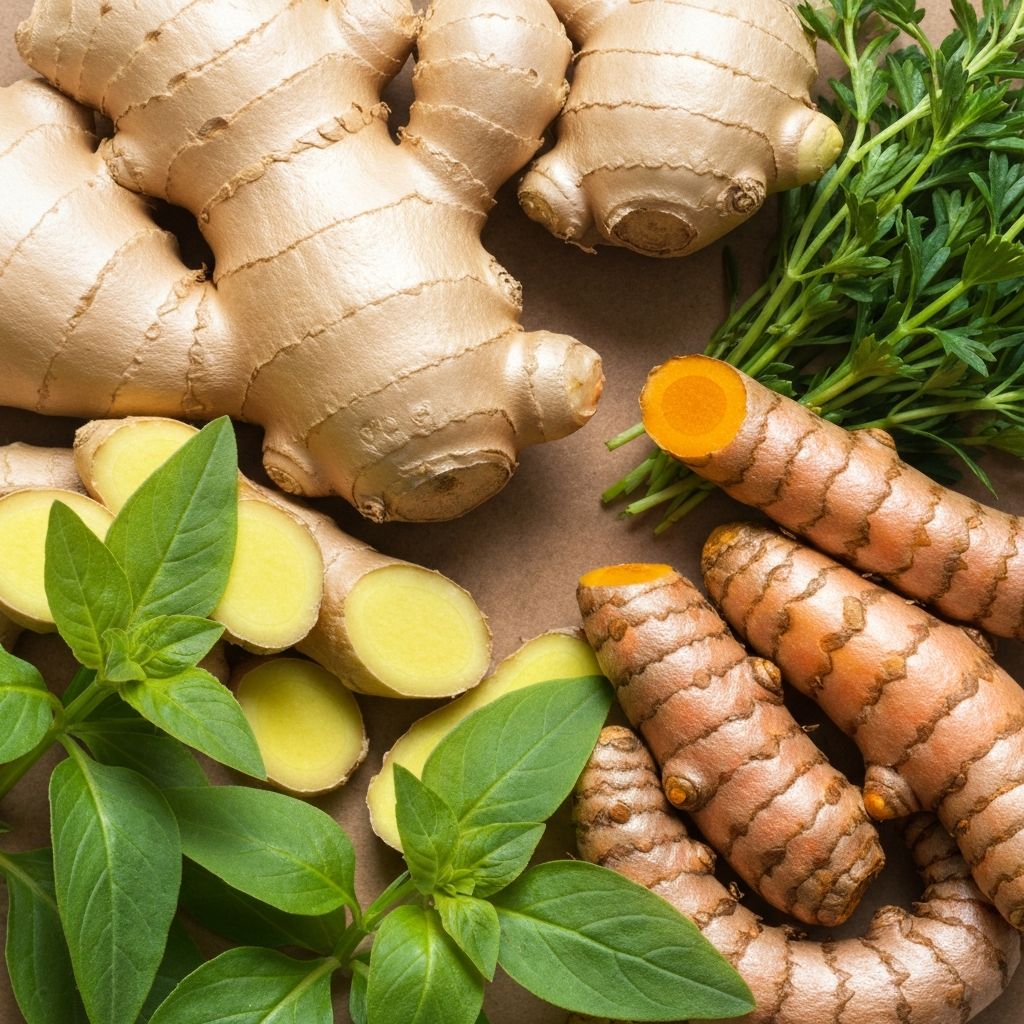
Natural mineral-rich plant roots and herbs
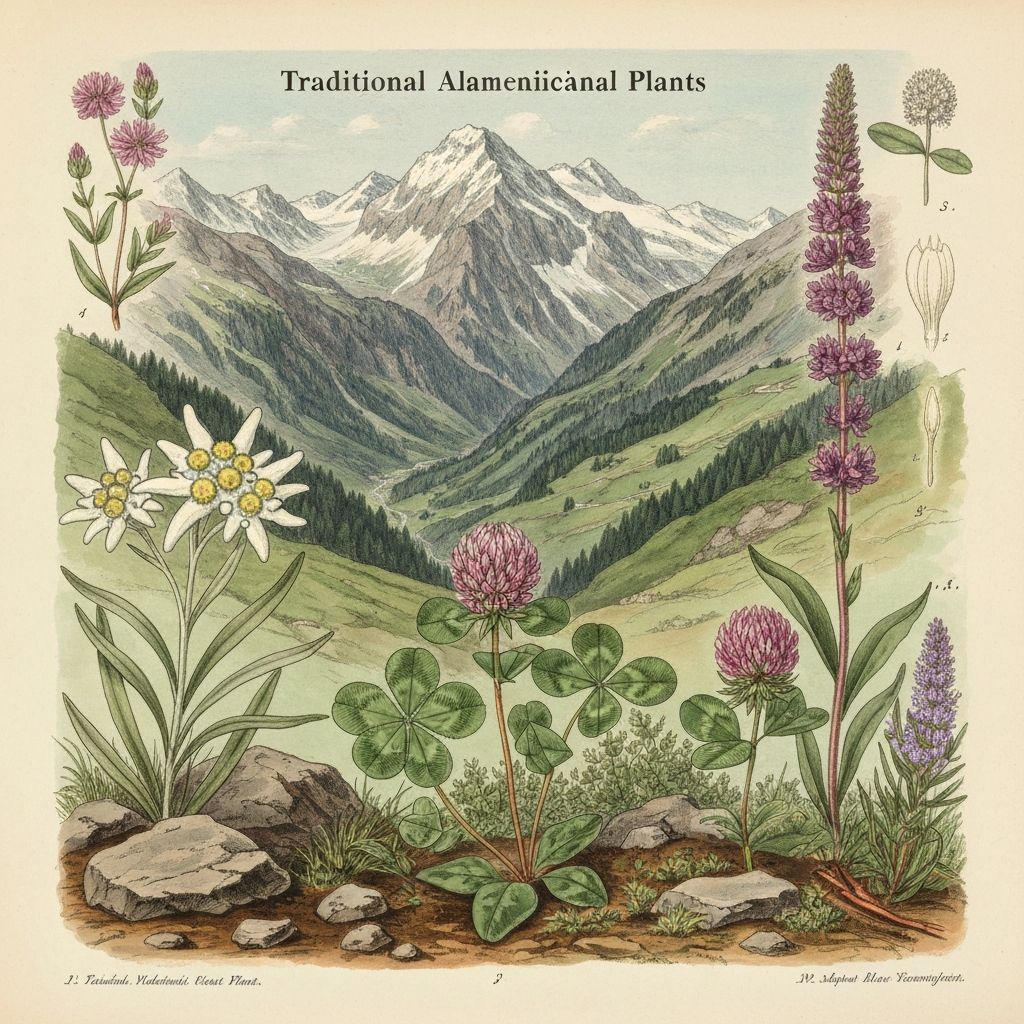
Traditional alpine medicinal plants

Historical Use of Alpine Plants

Alpine and mountain regions have sustained human populations for millennia, with local cultures developing extensive knowledge of regional flora. These botanical traditions reflect careful observation of how specific plants support active lifestyles in demanding environments. Historical records from Alpine communities document the integration of local herbs and roots into daily nutrition, particularly among populations engaged in agriculture, herding, and mountain pursuits.

Such historical context provides valuable perspective on which plants have been valued across generations for supporting human vitality and function.

Explore Background

Physical Activity and Nutritional Needs

Dynamic daily routines and active pursuits place varied demands on the body. The connection between movement and nutritional requirements is well-established: active individuals need adequate micronutrients to support energy production, muscle function, and recovery processes. Plant-based formulations that supply relevant vitamins, minerals, and phytonutrients become increasingly important for those maintaining vigorous lifestyles.

Understanding this relationship helps explain why athletes and active individuals across cultures have traditionally integrated plant-based nutrition into their daily practices.

Continue Reading
Person hiking in alpine mountains
Research papers and botanical studies

Scientific Literature Overview

Contemporary botanical research employs rigorous methodologies to investigate plant compounds and their mechanisms. Peer-reviewed literature documents studies on specific botanical components, their bioavailability, and their roles in supporting various physiological functions. This growing body of research provides an evidence-based foundation for understanding traditional plant use and informing formulation development.

Reviewing scientific findings helps contextualize which plant components have demonstrated bioactivity in controlled settings.

View Research Overview

Typical Natural Ingredients in Research

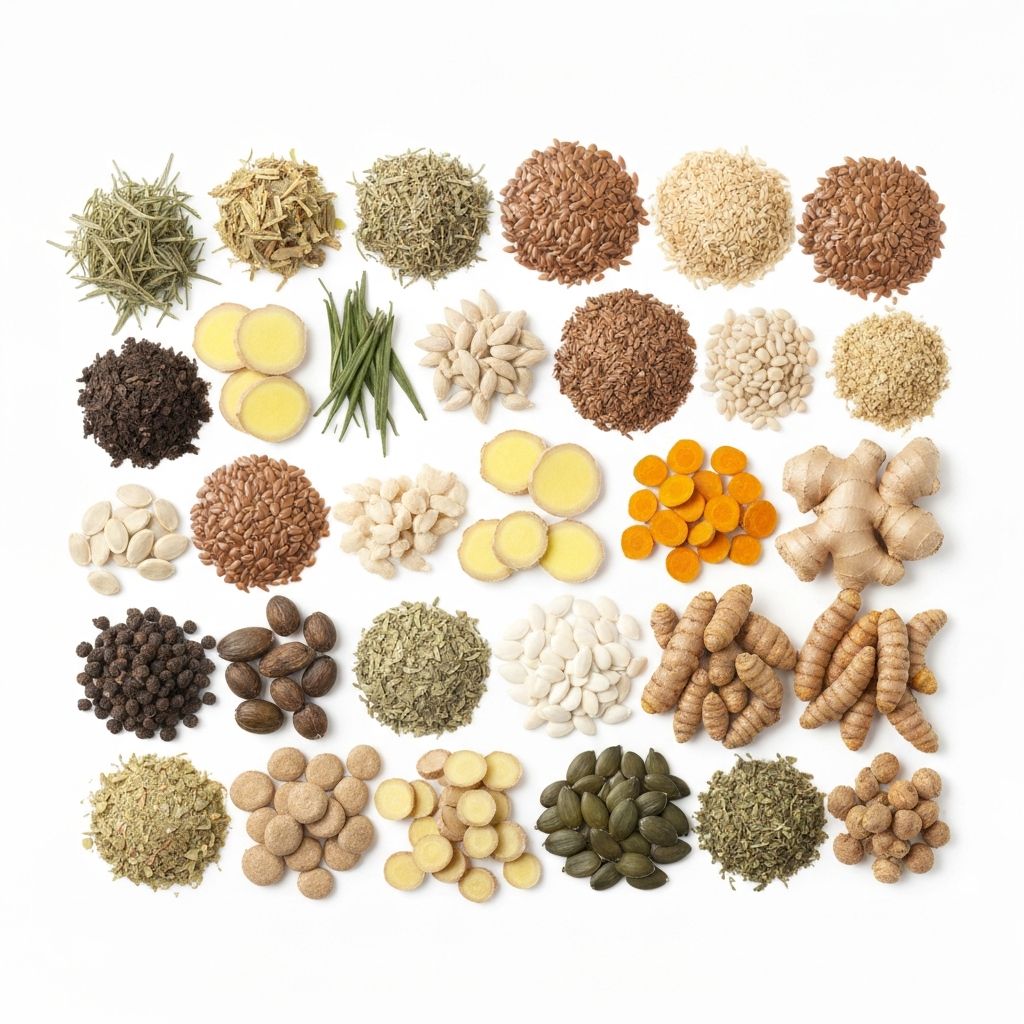
Botanical formulations under investigation typically combine complementary plant sources to create synergistic blends. Common ingredients include roots, berries, bark extracts, and leaf materials from Alpine and temperate regions. Each component contributes distinct bioactive profiles that researchers believe work together to support overall function in active individuals.

Understanding ingredient profiles helps consumers evaluate formulations and their potential contributions to nutritional support.

See Additional Info
Collection of natural plant-based ingredients